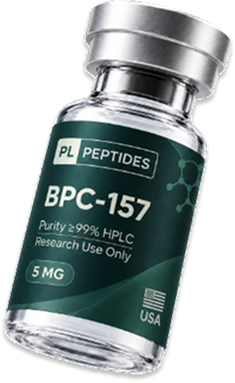
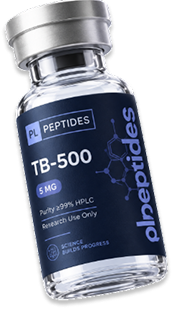
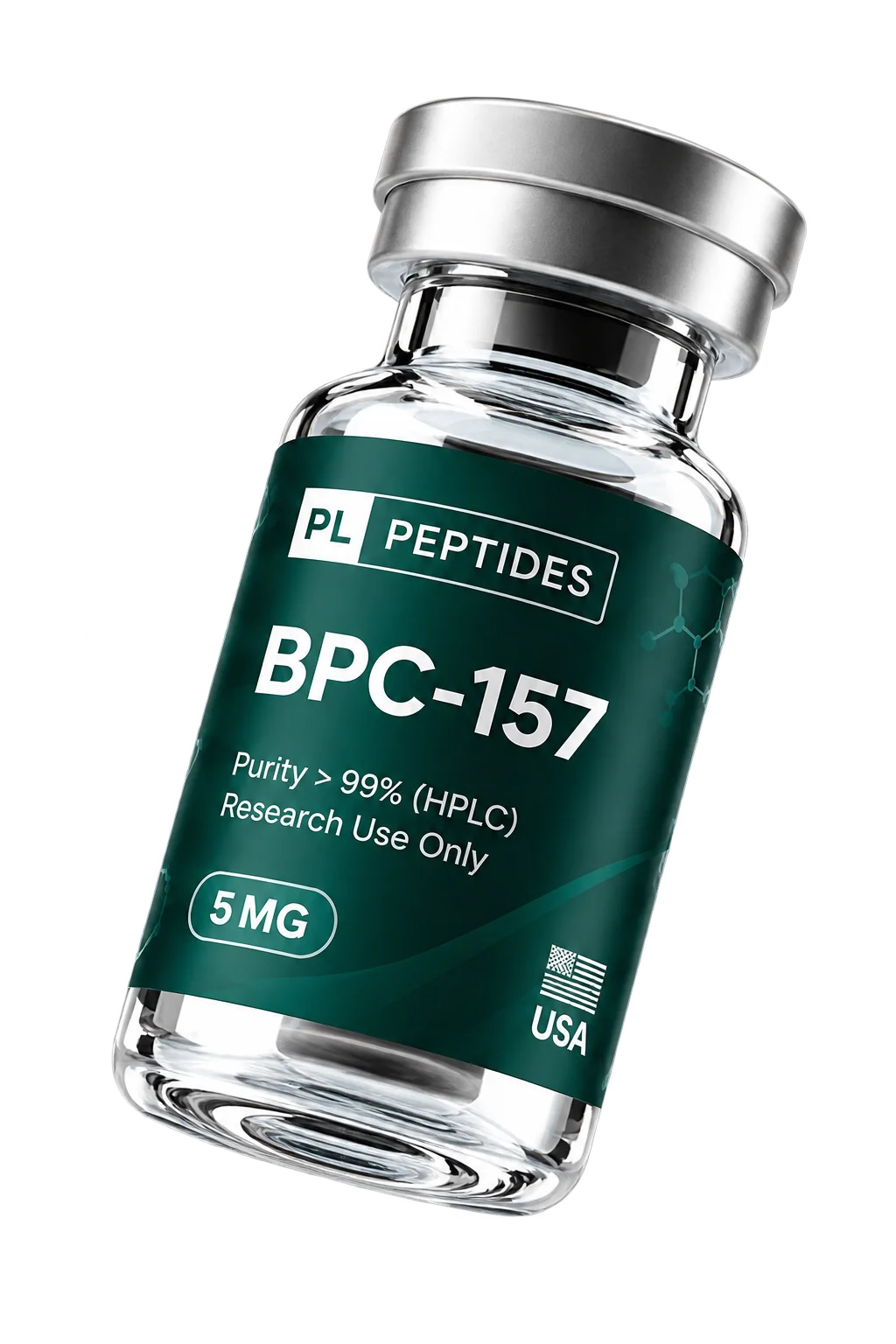
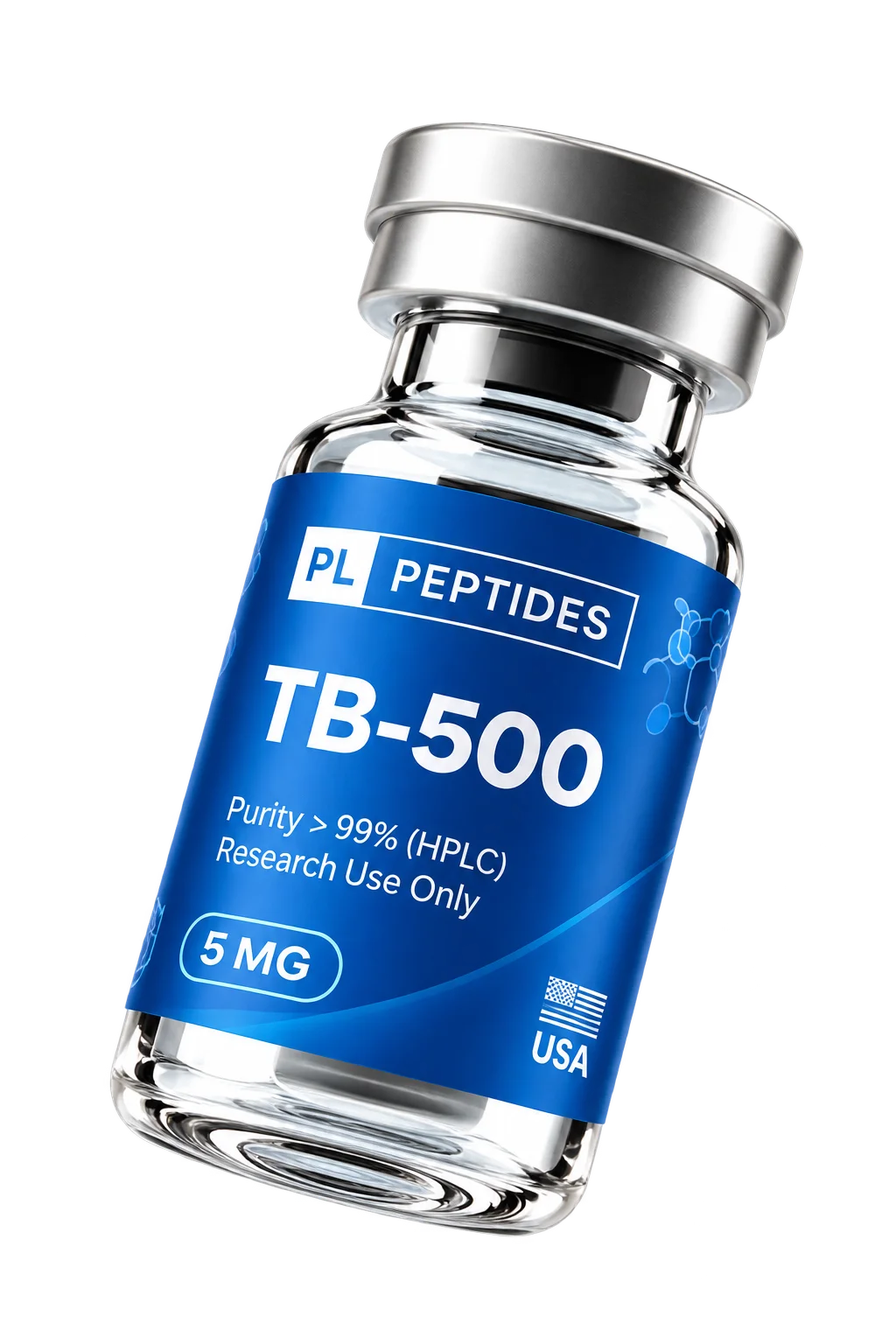
We focus on the supply chain so you can focus on marketing your brand.
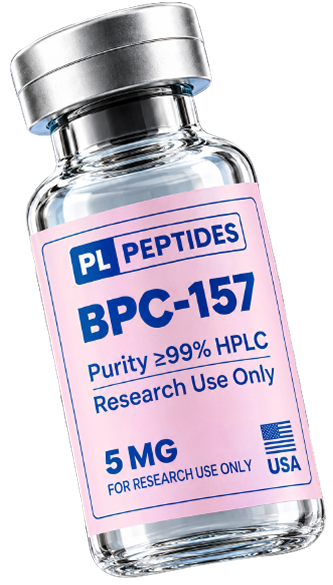
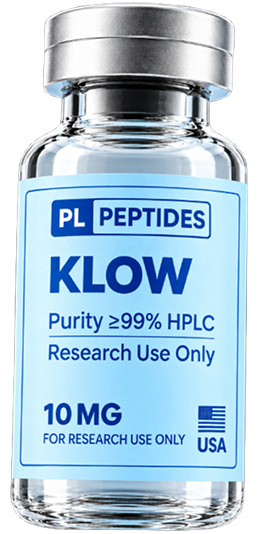
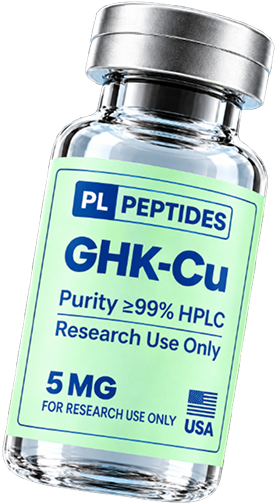
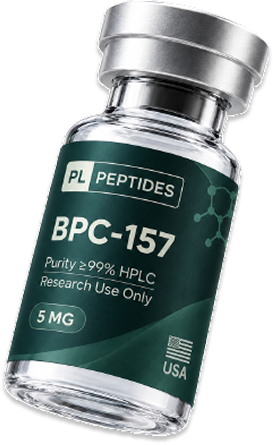
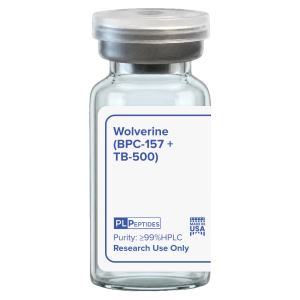
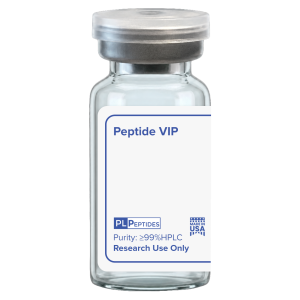
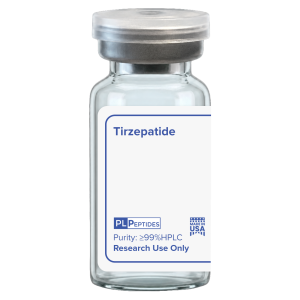
Browse a preview of the wholesale catalog. Pricing and volume tiers are handled as a wholesale account relationship.
Replace overseas uncertainty with PLP-managed sourcing, compounding, batch records, packaging, and fulfillment timing.
Share product targets, volume, label/packaging needs, service needs, and timeline.
PLP maps products, sample pricing, quantity tiers, label costs, packaging MOQ, and service support.
PLP compounds products directly, manages batch records, and coordinates third-party testing support.
Orders move through labeling, packaging, fulfillment support, and repeat-volume planning.
Wholesale accounts are available to licensed businesses, research organizations, compounding partners, and brands purchasing for lawful research, laboratory, or manufacturing purposes. We may request business documentation (resale certificate, business license, or equivalent) to verify eligibility. All products are sold for research use only and are not intended for human or veterinary use.
Getting started is straightforward:
(1) Submit an inquiry and complete account verification
(2) Receive a quote based on your product list and volume
(3) Approve the quote and remit the deposit
(4) We begin production
(5) Your order ships once complete, with a COA provided. Timelines vary by order size and product availability. Contact contact@plpeptides.com to get started.
Dummy text is also used to demonstrate the appearance of different typefaces and layouts, and in general the content of dummy text is nonsensical. Due to its widespread use as filler text for layouts, non-readability is of great importance: human perception is tuned to recognize certain patterns and repetitions in texts. If the distribution of letters and ‘words’ is random, the reader will not be distracted from making a neutral judgement on the visual impact and readability of the typefaces (typography), or the distribution of text on the page (layout or type area). For this reason, dummy text usually consists of a more or less random series of words or syllables. This prevents repetitive patterns from impairing the overall visual impression and facilitates the comparison of different typefaces. Furthermore, it is advantageous when the dummy text is relatively realistic so that the layout impression of the final publication is not compromised.